Class 10: Hosting #sschat / Get Started with iBooks Author

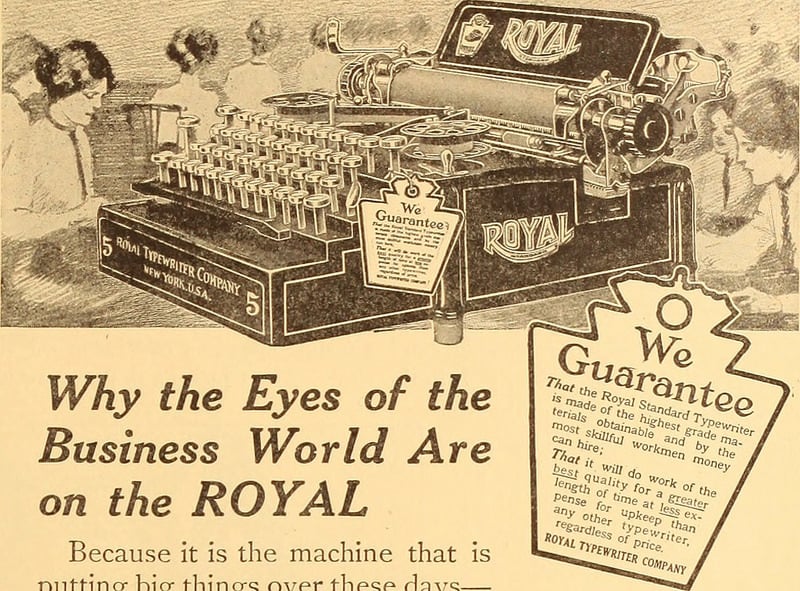
page 288 of Baltimore and Ohio employees magazineWe’re very proud that our EdMethods class has been selected to host #sschat on the Twitters – Nov 3, 2014 4-5 PM (Pacific) That night is election eve ’14 and our topic will be very timely – “Teaching Politics, Controversy and Civic Engagement.” For more on our chat questions click here.

After the Twitter chat raps up, we’ll spend some time debriefing on the experience.

Class DBQ iBook
Next up, we’ll get started with our iBooks Author training. Over the next few weeks we will use our DBQ projects to create a collaborative iBook. As a group, the class will review each other’s work before inclusion in the iBook collection of DBQs. Each student (or team) will contribute one DBQ in the form of a book chapter. It will include the project reflection as a way of introducing the DBQ.

Technical aspects
The iBooks will be designed using iBooks Author in the Mac lab. Students will bring digital versions of their DBQs to the lab – including all image and sound files, text files, citations and URLs. Here’s a quick guide to managing your files to get ready for iBooks Author: Get Started with IBA

Note: YouTube videos will be added to the iBooks using ibooksgenerator. All you need to have is the URL of the video.

For more see:

Assignment:

Next week we will have a visitor from the Classroom Law Project who will share law-related educational resources and guide us through a mock trial activity.

  • We will argue the case of Vickers v Hearst (443kb PDF) so be sure to read the case in advance.
  • To “learn the rules” read this guide Mock Trial Rules of Evidence (185kb PDF).
  • If you have never participated in a mock trial you may wish to look at this material that explains the various roles of attorney and witness  The People v Carter (2.4mb PDF)

Image credit: page 288 of “Baltimore and Ohio Railroad employees magazine” (1912)

Identifier: baltimoreohioemp01balt
Title: Baltimore and Ohio employees magazine
Year: 1912 (1910s)

Teaching Politics, Controversy, Engagement – #sschat 11/3/14

sschat-promo@EdMethods and @edteck are proud to be guest hosts for Twitter #sschat on Monday November 3, 2014 from 7-8 PM (eastern). That night is election eve ’14 and our topic will be very timely –  “Teaching Politics, Controversy and Civic Engagement.” Here’s our questions:

Q1: What are student attitudes about politics and government – engagement, distain or indifference?
Q2: How do you create a safe classroom climate to address hot-button political and social issues?
Q3: How should teachers deal with their personal opinions when teaching politics and controversial issues – teach, preach, abstain?
Q4: How can we help students be critical consumers of political news and opinion?
Q5: What resources / ideas can you recommend for teaching politics and fostering civic engagement?
Q6: (Channel your inner Nate Silver) Do you have a prediction to make about a hot 2014 election or ballot initiative?

We take social media seriously at EdMethods. It’s an essential element of the course. Be watching for our tweets:

Kari Vankommer  @MissKVK
Christy Thomas  @crthomas478
Emily Strocher  @emilystrocher
Andy Saxton  @MrAndySaxton
Erik Nelson @ENelsonEdu
Michelle Murphy  @michelleqmurphy
Kristi McKenzi  @tiannemckenzie
Sam Kimerling  @kimerlin171
Scott Deal  @SLDeal15
Jenna Bunnell  @jennamarie0927
Ceci Brunning  @csquared93

I get by with a little help from my friends: the gift of peer review

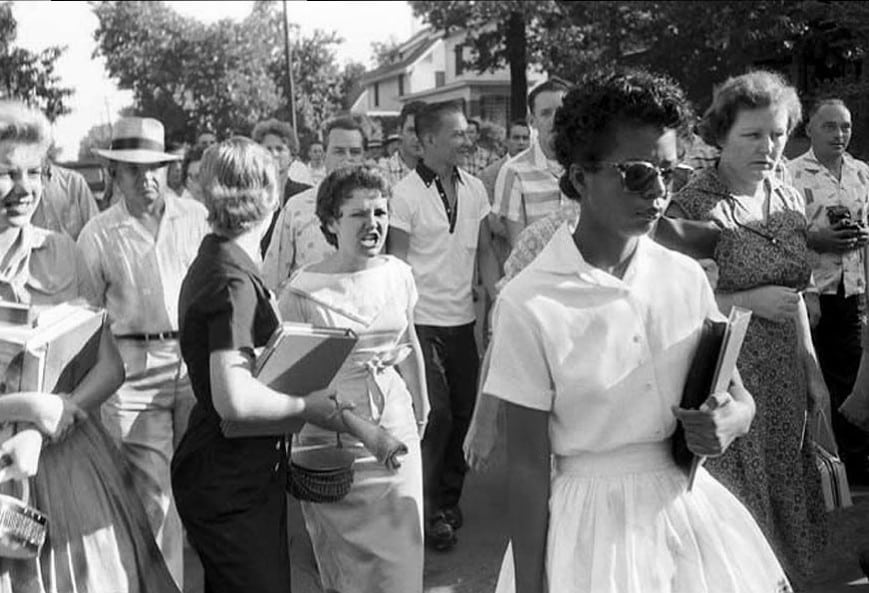
One of the "Little Rock Nine" braves a jeering crowd.
One of the “Little Rock Nine” braves a jeering crowd.

Designing my first DBQ is both exciting and intimidating. Exciting, because I love the idea of having students take ownership of their learning process, but intimidating because I know that a successful lesson requires careful planning and scaffolding. I was grateful that this assignment included a peer review process.

When I came to class last Monday, I had collected primary source documents related to the Civil Rights Movement, but I hadn’t finalized the essential questions or focus of my DBQ. As I talked to my classmates, they challenged me to think about the primary sources I had collected and to focus my question. I realized that my favorite sources were focused on sources that were written by adolescents who were the same ages of my students. I also realized that I needed to find new sources to compliment, “A Poem for My Librarian, Mrs. Long” by Nikki Giovanni and the excerpt of Bone Black by bell hooks.

Peter Pappas suggested finding the iconic photo of the Elizabeth Eckford being taunted and tormented on her way to Little Rock Central High School. While searching for the image, I was able to find an excerpt that tells the story of two teenagers who would become famous that day, Elizabeth and Hazel Bryan.

My classmates were very helpful with this process. As I have discovered in this program, my ideas are even better when I have the chance to talk about my lesson plans and receive feedback on the curriculum ideas. It helps to talk about what I want students to take away from the learning experience and then evaluate the lesson to see if my targets match my activities. Stay tuned for my final product!


Photo Source: http://www.nps.gov/nr/twhp/wwwlps/lessons/crandall/CRvisual5.htm

The Pig War: How America Killed a Pig and Won Some Islands

The Pig War, you forgotten piece of American History.

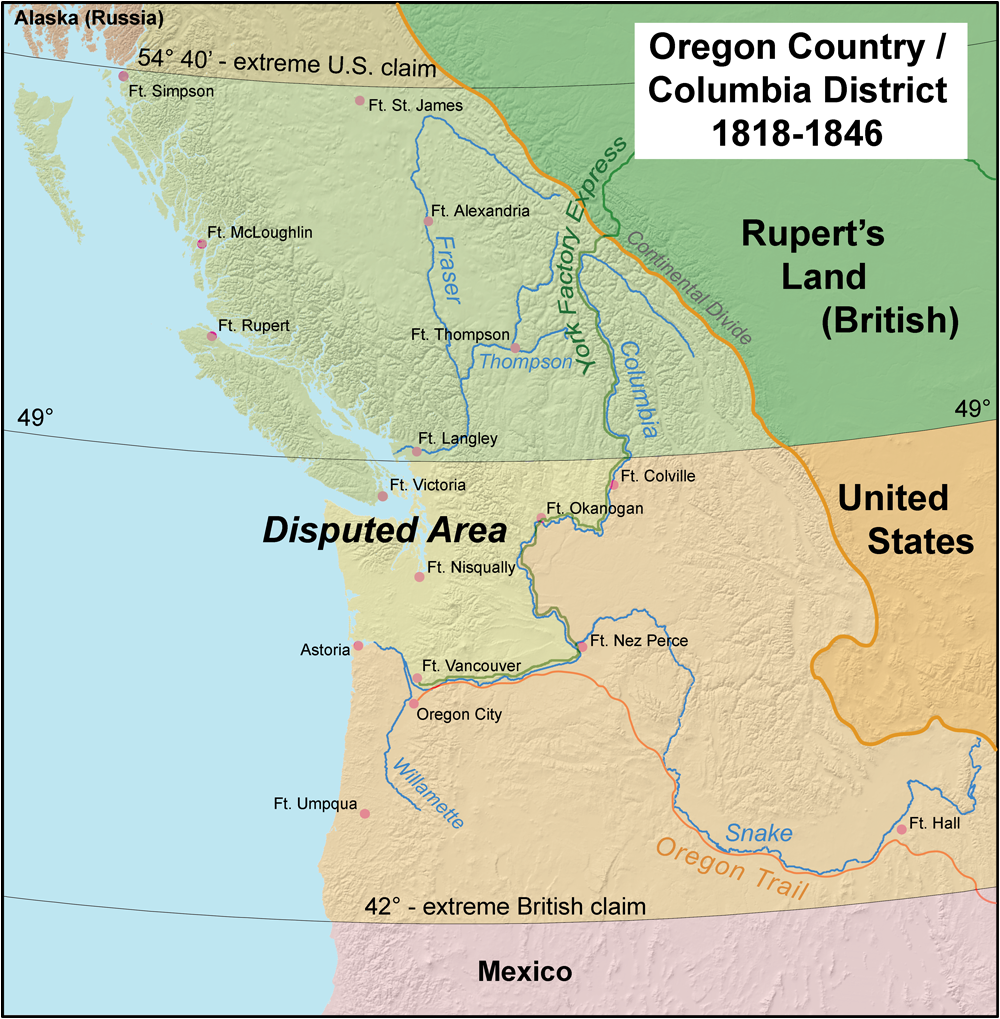
Competing claims in Oregon Country, 1846

How can you even go wrong designing a DBQ based off of the Pig War?  It was an armed conflict between the United Kingdom and the United States in which the only casualty was a British pig — no figurative language here: the only living thing that got shot was a pig who was eating some American’s root vegetables.  Nonetheless, the death of this Suidae would trigger a decade-long joint occupation of San Juan Island and would nearly lead to a shooting war between British and American forces.

The amazing thing about this conflict is that it was bloodless.  Cooler heads prevailed.  Despite having orders to engage the enemy, the British commander refused to go to war over a pig.  Neither side was willing to fire the first shot.

Another intriguing thing about the Pig War is the personalities involved.  George E. Pickett may be best remembered for his blunders in the Battle of Gettysburg, but he honed his military command skills as a leader of the American forces on San Juan Island.  Henry Martyn Robert had plenty of time to think up his “Rules of Order” while stationed at American Camp.  Geoffrey Honby may never have made Admiral of the Fleet if he’d obeyed his orders to rout the Americans.

As a DBQ, there should be be sufficient primary source documents on the Pig War to make for a rich and generative topic.