The Struggles of Early Colonists: The missing Roanoke Colony

Target Student Group: This lesson uses primary sources from John White’s attempt to return to and find the Lost Colony of Roanoke. The target student group for this close reading activity can be a 10th grade US History class that is looking at the United States colonialism period. The Lost Colony of Roanoke is an interesting mystery that details the struggles of the early colonists.

Lesson Context: This close reading activity will have students looking at one of the earliest colonies which ended up disappearing all together. John White’s accounts are meant to show how difficult it was to be an early settler and emphasize how an entire colony just went missing. Another aspect that is highlighted is not only living in a colony was difficult, but also the journey to get to America had several challenges. The Roanoke colony shows how settlers were completely cut off from society and had to figure things out on their own, which led to a lot of death and even a few mysteries.

Historical Documents:

Roanoke Colonist’s Appeal to John White: an excerpt from “The voyage of Edward Stafford and John White” by John White (1589) Source
  • What are the colonists asking John White to do?
  • What does this appeal reflect what life was like as a colonist?
  • What challenges do settlers face?
John White’s Attempt to Rescue the Roanoke Colonists, 1590 Source
  • What were some of the problems that the crew encountered?
  • What does the sea breaking into their boat mean based on the context of the excerpt?
  • What was ruined by this incident? And how might that impact the settlers?
John White’s Attempt to Rescue the Roanoke Colonists, 1590 Source
  • What did John White tell the settlers before he left? What was the plan?
  • Would you have done something differently? What would you have done?
  • What did John White see when he returned to Roanoke?

Teacher’s Guide: For document one, the main point that students should get would be the fact that colonists were very far away from England/established civilization so it would be very challenging to get resources. In this document, John White is writing about how the colonists are asking him to go back to England to get supplies. Which means the colonists didn’t have enough supplies to successfully thrive in Roanoke. For document two, students should understand that the journey and taking a ship to the Americas was also extremely challenging and a lot of people died. John White is talking about how one of the boats sank, the supplies they got were ruined, and a part of the crew drowned. Students should also notice that a lot of the crew didn’t know how to swim and since the supplies were ruined, if the colonists were still in Roanoke, they wouldn’t have gotten everything they needed. For document 3, students should understand that this is the excerpt where John White talks about the colony being totally gone. They had initially created a plan for White to know if something wrong had happened, but he saw no sign of it. However, the houses they had made were taken down and things were out of place. Students should make a judgement on whether they agree with White’s plan or if they had a better idea.

Cover Photo Source

Introduction to OneNote

Below is a short introduction to some features of OneNote. This type of video can be used to introduce students to OneNote and how to use it. Since OneNote typically is included in a Microsoft subscription, but isn’t one of main applications that students use, it is typically overlooked by students. However, as a digital note taking platform, OneNote offers students many ways to customize their notes as well as share their notes with others. There are also several ways for students to express their creativity. With remote learning, having all one’s notes in one place can help students and teachers stay organized.

Feature image source: https://medium.com/digital-productivity-tips/note-taking-with-onenote-as-a-psychology-student-e26f103adb20

But what about the Communists? Red Scare Lesson

Target Audience and Setting: This lesson can be given to a US History or World History class that is looking at the Cold War, or the way propaganda is used to convey a specific narrative. It can also be used as a way to introduce students into the Red Scare period in US History. Students will need access to the internet and Youtube which makes this a great activity to do in a remote learning environment or in a classroom. This lesson doesn’t require that students have a background in propaganda or how it’s used, but it would be beneficial if students have some knowledge about US and USSR relations leading up to the Red Scare.

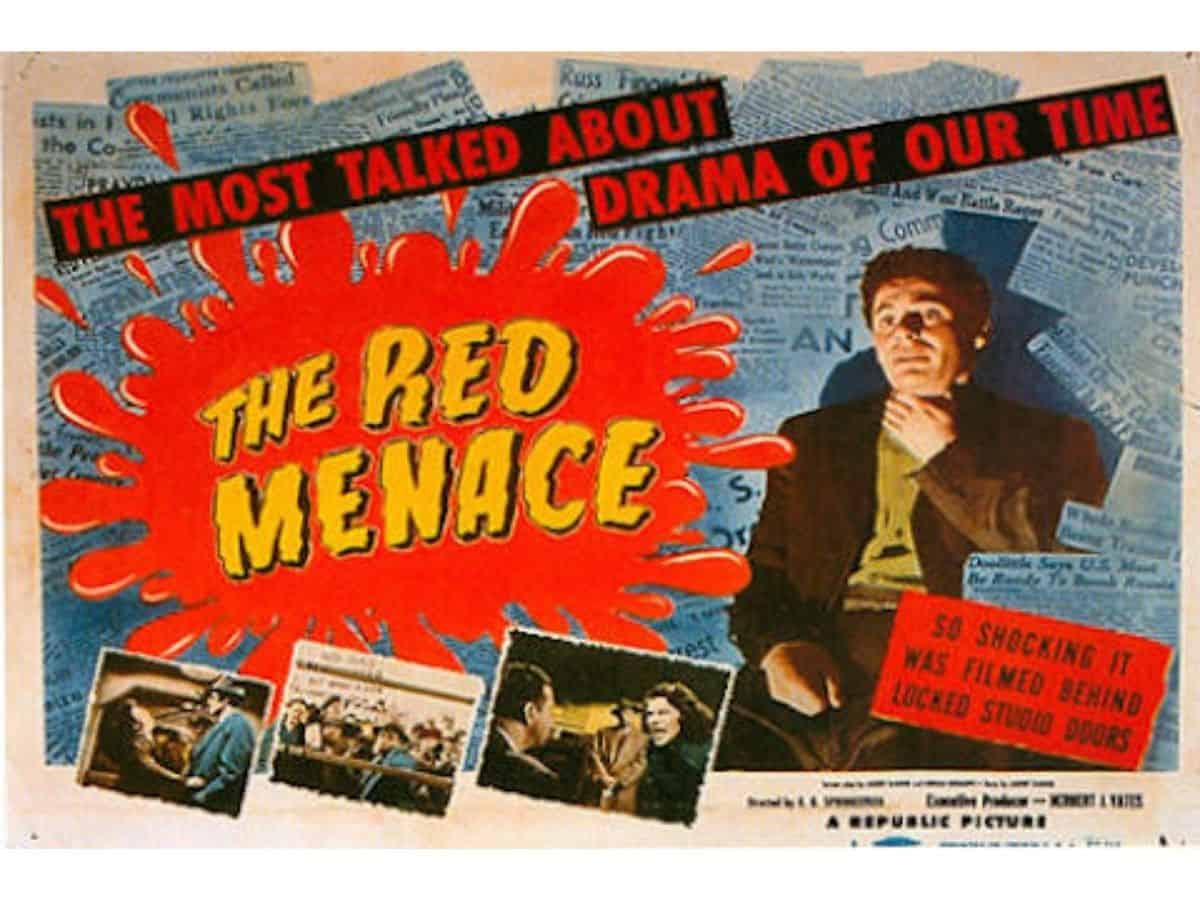
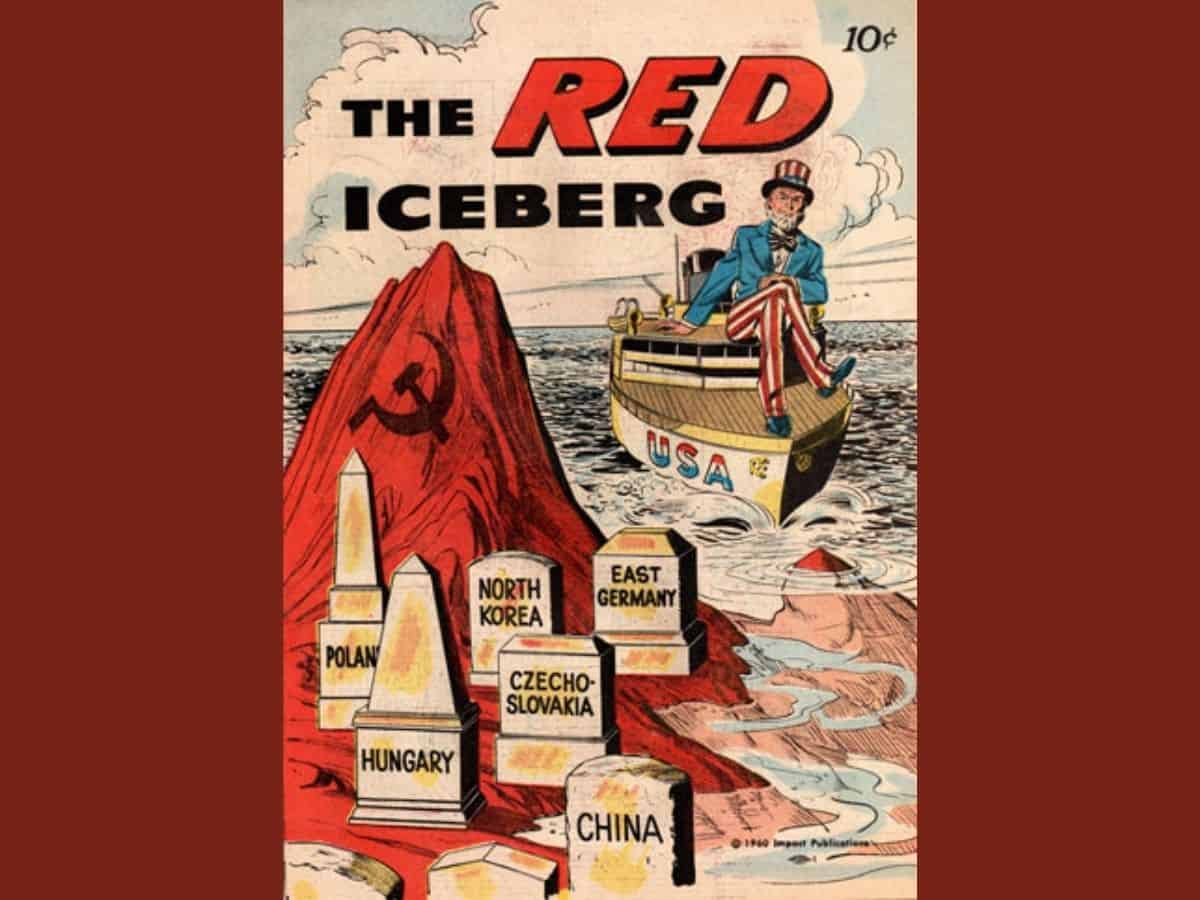
Content: This lesson primarily focuses on propaganda during the Red Scare and the narrative that it was conveying to the people of the time. This lesson can be adapted to any period in time where propaganda was heavily consumed by the masses as well. The goal of this activity is to get students to start thinking about how people from the time thought. While it’s easy to judge the people of the past, it’s a bit more difficult to understand their worldview. That’s why in this lesson, it has students trying to construct a narrative from a limited perspective, and form opinions on what is going on based on the information that they can gather. This is meant to replicate how people at the time were fed a narrative and unless they dug deeper or had the resources, were unable to find other information. I believe this is important to teach because it shows the downside of only believing a single story and can encourage students to corroborate information or seek out other perspectives on a topic. I also believe this is a fun activity to get students thinking about the Red Scare and what the average person may have thought was going on.

Process: This activity would start with breaking the students into pairs and giving them 2 sources of propaganda each (this can be adapted to be groups or giving students more sources). For an online classroom, all the sources can be compiled into a google form which based on the students group, would send them to their sources. If this activity were happening in the classroom, the students would be given a copy or directed to their sources. Each group or pair will be given a role which will act as a lens for them to view their sources from. For each source, students will have to answer questions based on their sources such as ‘what is going on in the source?’ ‘what is the message of the source?’ ‘how is the source conveying this message?’ ‘how does this source make you feel?’ and ‘based on this source what do you think is going on between the US and the USSR?’ Students will do this for all the sources they are given and then will answer questions after they have seen all the propaganda pieces. This questions can be like ‘What are you not worried about (as your role) after seeing these sources?’ ‘What do you think is going on in the United States?’ ‘Are you afraid of the communists?’ While the students are working on this, the teacher can listen in on their conversations and answer any questions they may have.

After the students have answered the questions, the class will join back together and start working together to figure out a narrative on what is happening in a ‘town meeting’ style. Each student pair/group will need to explain what their primary concerns are based on the propaganda they saw and their role. It would be best to encourage students to embrace their role and get into it. Each group can explain what they analyzed and how it made them feel until they settle on an opinion or agreed upon plan of action about ‘the communists in their communities’. After this is decided upon, the teacher will present a slideshow/give a lecture about what was going on in the US during the Red Scare and how people actually dealt with the issue of the communists. Afterwards, students should be asked about how propaganda was used and the effect it can have on people who are only seeing a single narrative. Students can also be asked about what modern forms of propaganda they can think of and what messages they get from it.

Resources for lesson: Since this lesson if being delivered remotely the students will be provided with a google form that has all the propaganda in it as well as the prompts that students should be answering. The propaganda is in the form of videos, posters, and parts of comic books that I found through articles about Red Scare propaganda. I mostly used Open Culture and google to find some propaganda.

Delivery Considerations: Because of remote learning, I made the lesson a google form so all the students can have access to it. If this were in the classroom, students would be doing the activity on paper and writing these things down.

Feature image source: http://www.openculture.com/2014/11/the-red-menace-a-striking-gallery-of-anti-communist-propaganda.html

Red is the Scariest Color: Propaganda during the Red Scare

Source Image

Target Audience: The target audience for this lesson is a modern world history class or a 10th grade US History class when it gets to the modern era. Students can have a background on propaganda or not, but I feel this lesson can be delivered more effectively if students do not have a background in propaganda of the time. It is expected that students have some background knowledge about what was going on in terms of the Cold War in the US and the USSR.

Content: For this lesson, students will be looking at several propaganda pieces to see what motifs are present and how aspects of the poster/music/movie are used to convey a certain theme. With this data, students will be asked to explain how they would have felt if they were in the time and seeing media like this. From these posters, students will try to construct a narrative about what is going on in the US at the time based on the evidence in these posters. This can segue into how propaganda is being used today and in what ways mainstream media is trying to dominate a narrative.

Process: The process behind this activity will be to break the students into pairs to analyze aspects of 2 types of media. These two primary sources can be political cartoons, propaganda posters, songs, clips from film or radio broadcasts. After giving the students time to figure out what each source is saying and how people at the time would have felt consuming these media narratives, we will join back and attempt to construct a narrative of how the people at the time might have understood the communist situation going on in the US.

Resources: The resources for this lesson would primarily be political cartoons, propaganda posters, as well as different types of media from the time. It may also be helpful to create a graphic organizer for students to have a place to take notes and write out their feelings.

Delivery Considerations: This lesson can be delivered remotely by using Zoom groups and a main group meeting to discuss and hash out a narrative of what people thought the communist situation was at the time. As a group students can be led into thinking about how the narrative shown through media is not exactly the same as what was going on in the world and how propaganda is still used today.