Flipped Lessons: TedEd

no-access-71232_1280


As part of our Digital History class, we were asked to design a Flipped Lesson. I decided to use TedEd as my platform (which can be seen here.)


Science Says There Is No Such Thing As Race

I’ll admit that it was a really fun project that really got me thinking about all of the extra time that front loading content would give me in class. What kind of conversations would we have, what kind of work stations could I set up to get students to dig into this topic more, what projects could they work on, etc. However, there’s one big issue for me for Flipped Lessons – ACCESS.

There are so many variables that are outside of the teacher’s control when work gets put back onto the students at home: does the student have electricity, does the student have access to internet, does the student have access to reliable technology, does the student have a place to sleep tonight, etc. I have no doubt that flipped lessons are wonderful in communities where many of those issues aren’t present but for many students who are struggling, this might place just another obstacle in front of them for accessing critical information for class.

That being said though, I think that if I as a teacher do my due diligence to ensure that all of my bases are covered and know my students’ home situations well enough, I think I would use this as a resource.

Image Credit: https://pixabay.com/p-71232/?no_redirect
Drawing Out History

Prompt: Students were asked to design a flipped lesson and then write a blog post that showcases their flipped lesson and reaction to designing it.

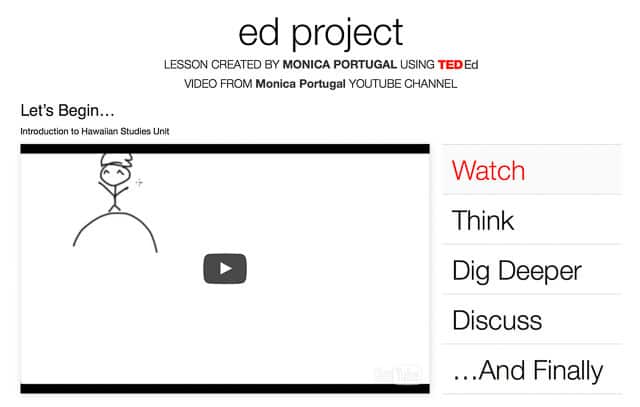
For this Flipped lesson I wanted to combine the use of Screencast and TedEd. In a previous ED class I designed a short video using screencast, featuring me drawing out a social studies lesson, which was accompanied by a narrative as to what was being shown. I got this idea after watching a popular youtube video called, “Draw My Life.” However, rather than drawing out the personal details of my own life, I wanted to apply this strategy of telling a story to a history lesson. This I believed would be a fun way of engaging with my students as they will hear my voice, be exposed to my own drawings and explanations, and have fun watching a story being drawn out to them.

However, for this previous ED class assignment I was not asked to have any questions or reflection to accompany the video. At the time I thought it would be sufficient to just have a novel and fun new way for my students to learn. But, after many hours of experience, and gaining new knowledge as to how student learn and retain information, I now know I need to have some sort of formal or informal assignment to accompany such video lessons, in order for students to really understand the information being fed to them. This is where the TedEd becomes a wonderful tool for teachers.

By combining my screencast lessons with TedEd I am now able to have the needed assessment to gauge whether my students understood the lesson, and if they are able to apply the information they just learned by answering questions, and participating in discussions via online.

Click image to view lesson

TedEd Lesson: http://ed.ted.com/on/V9NYCjmk

Alpha Centauri Flipped Lesson

Prompt: Students were asked to design a flipped lesson and then write a blog post that showcases their flipped lesson and reaction to designing it. 

Alpha Centauri is the precursor to the Civilization games, and, in my opinion, is one of the greatest games ever made. This video is less of a specific lesson, although it does introduce you to some of the general features of the game. A true lesson would be hours long, dissecting all of the particulars of multiple different strategies, factions, and more. Instead, I hope this video is just enough to whet your appetite and get you excited to play this phenomenal game.

In regards to the flipped lesson itself, I’ll be very honest. I hate the sound of my own voice. Furthermore, I hate the act of recording itself. It’s like talking on the phone, a prime chance for me to stumble over myself, use far too many ums, and generally make a fool of myself. It was perhaps the single most reason I put it off until now. At least when speaking in public, I can feed off the cues of my audience. When I’m alone, I can only hear the thoughts of my own worst critic – you know who that is.

That being said, I definitely see the benefits of this model. I don’t believe it is satisfactory as a complete substitution for the traditional classroom model. There are too many students who, whether it be an issue of motivation or some other factor, not complete the assignment and be ready for class. However, if it is something introduced early on, and scaffolded towards, it may become an important tool in a teacher’s repertoire

Flipped Lessons, Changing Roles

flipped classroom

Prompt: Students were asked to design a flipped lesson and then write a blog post that showcases their flipped lesson and reaction to designing it. 

During this week’s class, I had the opportunity to create a flipped lesson using the TedED Lesson generation program. I created my lesson around a video from the YouTube channel Crash Course American History, hosted by John Green. Find my flipped lesson here.

The TedEd Lesson tool is a great resource. It allows teachers to either choose their own video from other sources (including TED talks and YouTube videos) and generating questions/discussing feeds, all with a useful statistics function to track the students that have watched the video and answered the questions.

TedEd is definitely a resource I will use in the future. I think thing about flipped lessons that I am most skeptical about is making sure that students are actually doing the tasks and learning the content at home. However, TedEd solves this problem by giving teachers the statistics for their lessons and see which of their students have completed it. The goal of completing these lessons at home is to introduce the content to students and get them thinking about the types of topics they will discuss in class. This also opens up class time for authentic activities and allows teachers to check-in with students, rather than the traditional model of delivering content to students in class and expecting them to complete a check-in assignment for homework. The biggest strength of flipped lessons is giving teachers more time to interact with students in completing assignments, and makes it the responsibility of the student to learn the content and ask questions when needed.

As we discussed in class, flipped lessons change the role of both the teacher and the student. For this reason, many teachers are skeptical about implementing flipped lessons into their instruction. However, changing this classic understanding of what a teacher’s job is and what a student’s responsibility is allows for greater classroom involvement and student motivation, which are crucial in creating valuable learning environments.


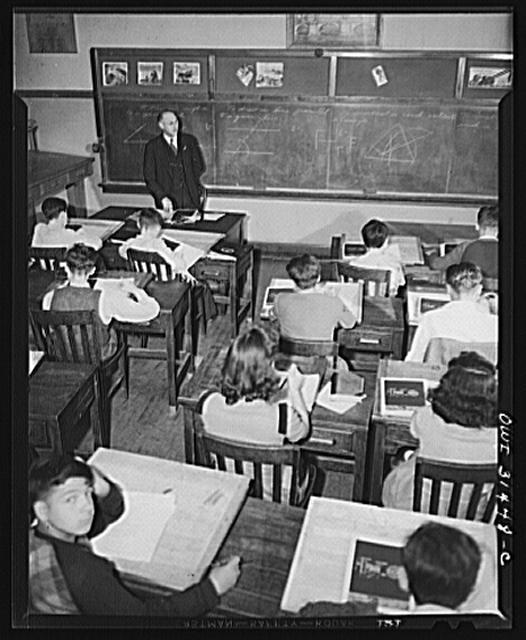
Image Source: Library of Congress

  • Title: Schenectady, New York. A section of a blueprint reading class at the Oneida School
  • Creator(s): Bonn, Philip, photographer
  • Date Created/Published: 1943 June.